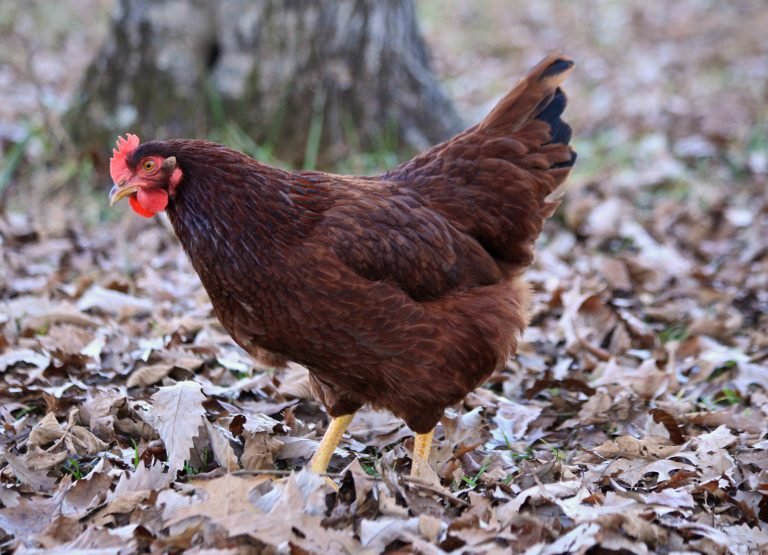

Rhode Island Red Chicken
Originated in Rhode Island, this well-known heritage breed is the state bird of Rhode Island and was officially recognized as a distinct pure chicken breed by the American Standard of Perfection in 1904. The Single Comb Rhode Island Red Chicken is one of our most popular breeds for dependable brown egg laying production. They are a favorite choice for backyard flocks because of their excellent laying ability, active temperament, and hardiness in a variety of climates.
Egg Production
The Rhode Island Red is classified in the American Class of poultry. It’s known for producing large brown eggs, with hens laying an estimated 200 to 280 eggs per year (production estimates only; see FAQ). This breed serves multiple purposes—primarily for egg production, but also as a friendly backyard pet and a secondary meat source.
Chicken Size
Hens generally weigh around 6½ pounds, while roosters reach about 8½ pounds. Cockerels average 7½ pounds, and pullets about 5½ pounds. Fertility typically ranges from 65% to 80%, with gender accuracy between 80–85%. The breed’s broodiness can vary, and the ideal mating ratio is ten females per one male. Rhode Island Reds prefer a roost height of two to four feet, which suits most coop setups.
Breed History
Cackle Hatchery®’s line of Rhode Island Reds is a true heritage chicken production type, bred pure since 1936 by Cackle Hatchery® Poultry Breeding Farm. Non-industrial strains like ours are listed as “recovering” by the American Livestock Breeds Conservancy, preserving the traditional qualities that made this breed famous for both productivity and beauty.
Developed in both Rhode Island and Massachusetts, early flocks often displayed both single and rose combs due to the influence of Malay blood. Today, Cackle Hatchery® offers the single comb variety of the Rhode Island Red Chicken (Exhibition Type), available as day-old chicks and fertilized eggs. To learn more about the difference between production type and exhibition type click here.
Many breeders raise the Rhode Island Red for show—these exhibition strains tend to have a deeper red plumage but produce fewer eggs than the production types. If you love this breed, you might also enjoy the Rhode Island Red Bantam, the miniature version of the same classic breed.
We also offer the Rhode Island Red Started Pullet for those who prefer birds closer to laying age, and at limited times of the year, we make Rhode Island Red Fertile Hatching Eggs available for order.
Cackle Hatchery® takes pride in maintaining this classic American breed—hardy, active, and one of the best brown egg layers for farms, homesteads, and backyard flocks alike.
Rhode Island Red Chicken FAQs
What is a R.I.R.?
The Rhode Island Red is a dual-purpose American heritage chicken breed developed in the 1800s in Rhode Island and Massachusetts. It’s known for its rich, mahogany-red feathers, dependable brown egg production, and hardiness. Recognized by the American Poultry Association in 1904, the breed remains one of the most popular and productive chickens for backyard flocks.
What do Rhode Island Reds eat?
Like most chickens, Rhode Island Reds thrive on a balanced poultry diet that includes quality layer feed once mature, starter feed for chicks, and grower feed for pullets. They also enjoy foraging for grass, seeds, insects, and kitchen scraps such as fruits and vegetables. Always provide plenty of clean water and grit to help with digestion.
When do Rhode Island Red roosters start crowing and are they aggressive?
Rhode Island Red roosters usually begin crowing between 4 to 6 months of age, depending on their growth rate and environment. They are generally confident and protective of their flock, but not all are aggressive. As with any breed, temperament varies between individuals—proper handling and regular interaction from a young age help promote calm, well-behaved roosters.
Are Rhode Island Red chickens friendly?
Yes, Rhode Island Reds are generally friendly, curious, and easy to handle, especially when raised around people. They are active foragers and enjoy space to roam, but they also adapt well to coop life. Their confident nature makes them a great choice for beginners and families looking for a hardy, productive backyard chicken.
Reviews
There are no reviews yet.